
Triumph of Galatea: Art in the Age of Artificial Intelligence
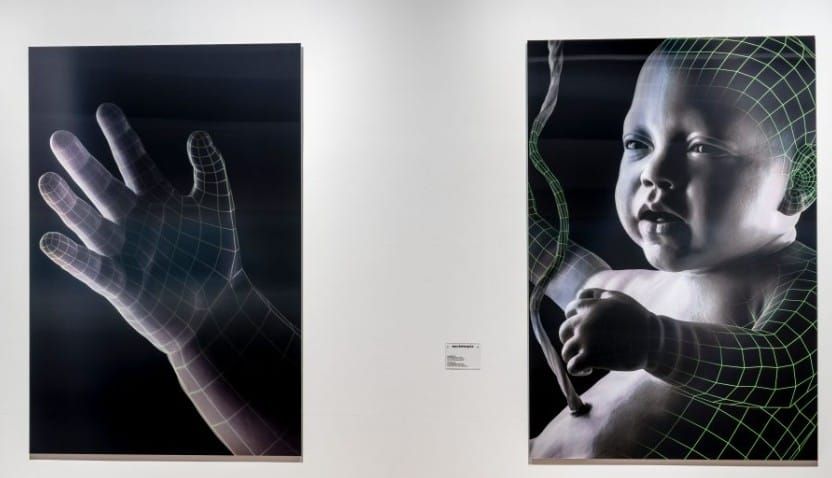
Now - August 9, Tallinn, Kumu Art Museum...
The exhibition brings together historical and contemporary perspectives, placing works from different eras into dialogue. The engravings of Bernard Picart evoke Enlightenment-era mythologies of reason, progress, and representation, forming a counterpoint to contemporary practices shaped by machine learning, data extraction, and networked culture. Rather than offering a single position on whether artificial intelligence threatens or expands artistic practice, Triumph of Galatea foregrounds uncertainty and negotiation.
In classical myth, Galatea comes to life as the sculptor’s ideal made animate—a creation that exceeds its maker’s intentions and begins to act on its own. In the age of artificial intelligence, this figure acquires renewed relevance. Algorithms no longer function merely as tools but increasingly as agents that generate images, texts, and decisions, reshaping how creativity, authorship, and human agency are understood. Triumph of Galatea: Art in the Age of Artificial Intelligence explores this shifting relationship between human imagination and autonomous systems, asking what “triumph” might mean when creation is shared with machines.
Presented at the Kumu Art Museum, the exhibition brings together historical and contemporary perspectives, placing works from different eras into dialogue. The engravings of Bernard Picart evoke Enlightenment-era mythologies of reason, progress, and representation, forming a counterpoint to contemporary practices shaped by machine learning, data extraction, and networked culture. Works by Andreas Albrectsen, Maria Arnal, Tilman Hornig, Olga Jürgenson, Marge Monko, Darja Popolitova, Jon Rafman, Sten Saarits, Jens Settergren, Jan Zuiderveld, and Timo Toots examine how artificial intelligence mediates vision, memory, labor, and desire—at times critically, at times speculatively or poetically.